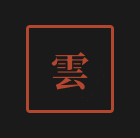
静坐
Taoist Meditation: A Beginner’s Guide to Sitting in Stillness
Taoist meditation is not about emptying your mind — it is about returning to natural stillness. This deep-dive covers sitting posture, breath, and the practice of “just sitting.”
Taoist meditation — often called “sitting in stillness” (静坐, jìngzuò) — is one of the most accessible entries into the tradition, and also one of the most misunderstood. It is not about emptying your mind, forcing concentration, or achieving bliss. It is about returning to a state that is already natural: stillness, breath, and presence.
What makes it different from other meditation
Most meditation traditions use a technique — focus on the breath, repeat a mantra, observe thoughts — as a tool to reach a state. Taoist meditation tends to invert this: rather than forcing anything, you let go into the state that is already there underneath the mental noise. The breath is not an object to concentrate on; it is a rhythm to settle into. The mind is not a problem to fix; it is weather to observe.
This is why Taoist meditation can feel like “doing nothing.” In a sense, that is the point — but it is a trained, deliberate nothing, closer to the stillness before you speak than to the blankness of distraction.
Posture: the foundation
You do not need to sit like a statue. The essentials are simple:
- Sit comfortably — on a cushion, chair, or bench, with your spine upright but not rigid.
- Let the hands rest — one palm over the other, or on the knees.
- Soften the shoulders — tension in the shoulders is the first thing to notice and release.
- Tuck the chin slightly — so the neck is long and the head balanced.
- Close or lower the eyes — half-closed is traditional; fully closed is fine for beginners.
If sitting on the floor is painful, a chair is perfectly acceptable. The goal is a position you can hold without fidgeting for ten to twenty minutes.
The breath
In Taoist practice, breath is not just oxygen — it is the vehicle of qi. The classic instruction is to breathe low and slow, from the belly, with the exhalation longer than the inhalation. You are not controlling the breath aggressively; you are inviting it to deepen. If your mind wanders, you do not punish yourself — you simply return to the breath, as if returning to a friend.
“Just sitting”
The heart of Taoist meditation is simplicity itself: sit, breathe, and let things be. Thoughts will come; that is normal. You are not fighting them or following them — just letting them pass, like clouds. The Tao Te Ching’s phrase “return to the root” (归根) describes this: stillness is not somewhere you go; it is the root you return to.
A beginner’s routine
- Start with 5–10 minutes — daily consistency beats occasional length.
- Same time, same place — morning is traditional, but any regular slot works.
- Set a timer — so you are not checking the clock.
- End gently — sit for a few breaths before moving; sudden motion scatters the stillness.
What to expect
In the first weeks, expect restlessness: an itch, a racing thought, a sudden urge to check your phone. This is not failure; it is the practice. Over time, the restlessness settles, and you begin to notice something the Taoists have always said — that peace is not something you manufacture but something you uncover.
Meditation vs. qi gong
Qi gong (气功) adds movement and breathwork to stillness, circulating qi through the body. Meditation is the still core; qi gong is the moving expression. Many practitioners do both — a few minutes of stillness, then gentle movement — and find the combination more complete than either alone.
The deeper teaching
Taoist meditation ultimately points beyond technique. The sitting is a mirror: whatever you are — hurried, anxious, clear, calm — shows up in the stillness. The practice is to meet it without force. That skill — meeting your own life without force — is exactly what the Taoist tradition means by returning to the Tao.
Go Deeper on the Blog
More from Beginner Basics
Receive Taoist Wisdom in Your Inbox
Weekly insights on talismans, Qi Men, Feng Shui, and the Tao — plus exclusive ritual offers and a free welcome guide.
No spam, ever. Unsubscribe with one click.
Speak with Master Ding
Not sure which ritual or talisman is right for you? Send a message — Master Ding will personally guide you.
Connect on WhatsAppFree consultation · Private · No obligation